Call us: +84 1985 33 999
 Opening hours: Mon - Sat: 8:00am To 9:00pm




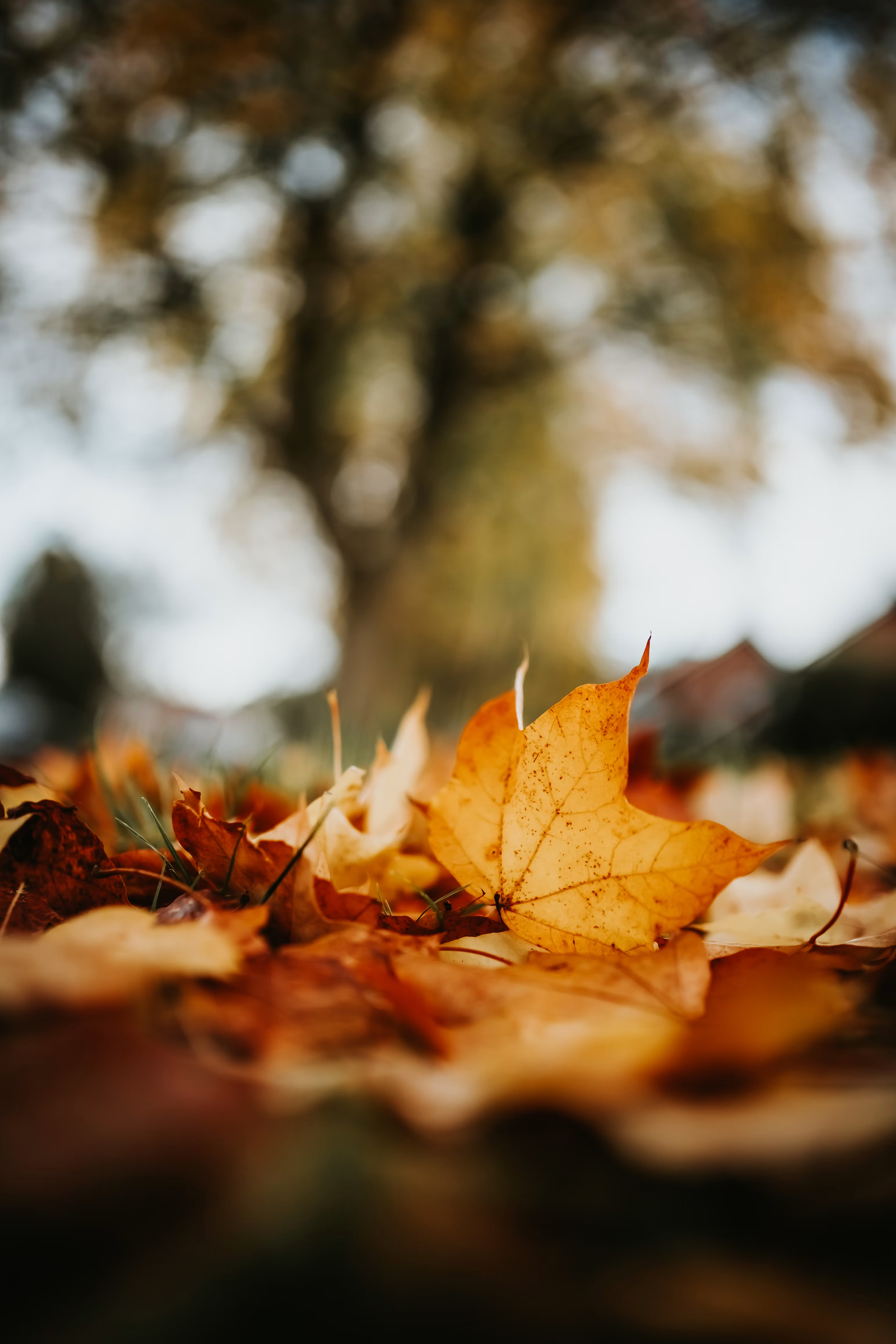
How to Prepare Your North Shore Lawn for Winter

Fall is the most important season for lawn care in Massachusetts. Cooler temperatures, softer sunlight, and more reliable moisture create ideal conditions for grass roots to recover from summer stress and build strength before winter. For homeowners in Salem and the surrounding North Shore, the work done between September and early November has a large effect on how a lawn looks the following spring.
Why Fall Lawn Care Matters
Most lawns in Massachusetts are made up of cool-season grasses, such as Kentucky bluegrass, fescue, and perennial ryegrass. These grasses grow most actively in spring and fall. After a hot summer, fall is when they are best able to repair thin patches, absorb nutrients, and store energy in their roots for the winter ahead.
A lawn that goes into winter healthy is better able to handle snow cover, freezing temperatures, and road salt. It is also much quicker to green up in spring and less likely to be overrun by weeds.
Fall Lawn Care Checklist
1. Keep Mowing Until Growth Stops
Mowing should continue through fall for as long as the grass keeps growing. Toward the end of the season, the height can be lowered gradually for the last few cuts, since long grass can mat down under snow and encourage snow mold. Cutting too short, however, exposes the crown of the grass to cold damage, so the change should be gradual rather than sudden.
2. Remove Leaves Regularly
A thick layer of leaves blocks sunlight and traps moisture against the grass, which can lead to dead patches and disease. This is especially true on properties with mature trees, which are common in Salem and nearby neighborhoods. Leaves should be raked, blown, or mulched into fine pieces on a regular basis, rather than being left until the end of the season.
3. Aerate Compacted Soil
Foot traffic, summer heat, and heavy clay soil can compact the ground, making it harder for water, air, and nutrients to reach the roots. Core aeration removes small plugs of soil and opens pathways for the roots. Early fall is a good time for aeration, and it works especially well when followed by overseeding.
4. Overseed Thin or Bare Areas
Overseeding fills in thin spots and improves the density of the lawn. Seed germinates best when soil is still warm and nights are cool, which makes early fall the preferred window. Seeding later in the season becomes less reliable as temperatures drop. The seed should be chosen to suit the amount of sun and shade the lawn receives.
5. Apply a Fall Fertilizer
A fall feeding supports root growth and helps the lawn store nutrients over winter. The right product and timing depend on soil conditions and the grass type. Massachusetts also regulates lawn fertilizer, including phosphorus content and when it may be applied, so the current rules should be confirmed before any product is spread. A soil test can show what the lawn actually needs.
6. Address Thatch and Weeds
A thick layer of thatch can prevent water and nutrients from reaching the soil. Dethatching may be helpful when this layer becomes too deep. Broadleaf weeds are also easier to treat in fall, since they are actively moving nutrients down to their roots at this time.
7. Clean Up Garden Beds and Shrubs
Fall is a good time to remove spent annuals, cut back perennials, clear debris from beds, and refresh mulch. Shrubs can be lightly trimmed, although heavy pruning is often better left until the plants are dormant. A clean landscape going into winter also reduces places for pests and disease to overwinter.
Protecting a Lawn From Winter Damage
Several problems are common on the North Shore, and a few simple steps can help avoid them.
- Road salt and de-icing products: Salt can burn grass along driveways, walkways, and streets. This is a particular concern near the coast, where salt spray is also a factor. Pet-safe and plant-friendly de-icers, along with careful placement, help limit the damage.
- Snow piles: Large piles of plowed snow can compress the lawn and melt slowly in spring, leaving bare or damaged areas. Planning where snow will be pushed helps protect the turf. Stakes can also mark lawn edges and garden beds to guide plows and shovels.
- Snow mold: Gray or pink patches can appear as snow melts, especially when leaves or long grass were left on the lawn. Proper fall mowing and leaf removal reduce the risk.
- Drainage problems: Areas where water collects in fall are likely to freeze and cause trouble in winter. Low spots and downspout outlets are worth checking before the ground freezes.
Other Fall Tasks Worth Doing
- Irrigation systems: If a sprinkler system is installed, it should be drained or blown out before the first hard freeze to prevent frozen pipes and cracked components.
- Trees: Dead, damaged, or overhanging limbs are better removed before winter storms and heavy snow, when they are more likely to fall. Learn more about tree management.
- Equipment: Mowers and other tools should be cleaned, serviced, and stored, with fuel treated or drained as needed.
- Outdoor surfaces: Patios, walkways, and driveways can be power washed before winter to remove leaf stains and grime.
When Is the Right Time?
Timing depends on the weather each year, but a general guide for the North Shore is:
| Task | Typical Timing |
|---|---|
| Aeration and overseeding | September to early October |
| Regular leaf removal | October through November |
| Fall fertilizer | Early to mid fall, following local rules |
| Final mow | Once growth has stopped |
| Irrigation shutdown | Before the first hard freeze |
| Bed cleanup and mulching | October to early November |
The first frost usually arrives in October or early November, and the coast can be slightly milder than inland areas. Taking care of the most time-sensitive tasks early gives the lawn the best chance to benefit.
Frequently Asked Questions
When should a lawn be aerated and overseeded in Massachusetts?
Early fall, typically from September to early October, is the best window. Soil is still warm, nights are cool, and rainfall is usually more consistent, which helps new grass establish before winter.
Should leaves be left on the lawn?
Thick layers of whole leaves should be removed, since they block light and trap moisture. A light layer of finely shredded leaves can be left on the lawn, where it breaks down and adds organic matter.
How short should the last mow of the season be?
The height can be lowered gradually over the final few mows, but the grass should not be cut too short. Long grass can mat down under snow, while grass cut too short is more vulnerable to cold damage.
Is it too late to start fall lawn care?
It is not too late while the grass is still growing and the ground is not frozen. Leaf removal, mowing, and cleanup are helpful throughout the season. Seeding results decline as temperatures fall, so it is best done as early as possible.
Fall Lawn Care in Salem and the North Shore
Jackson Landscapes has helped homeowners in Salem and the North Shore keep their properties healthy and attractive for more than 15 years. From seasonal cleanups and lawn care to tree work and snow removal, service is available year-round. Learn more about lawn care or landscape installation.
A free quote can be requested through the contact page or by email at info@jscapes.com.